Shop Discount Ammo Online and Save on Bulk Rifle, Handgun, and Rimfire Rounds
Looking to stretch your shooting budget without cutting corners on quality? Discount ammo is simply factory-new or overstocked ammunition sold at a lower price than standard retail, often because of bulk purchasing or seasonal clearance. By buying in larger quantities or grabbing these marked-down boxes, you get the same reliable performance for practice sessions, plinking, or stocking up your range bag. Just compare the lot numbers and inspect the packaging to ensure you’re getting genuine discount ammo that’s ready to fire.
What Does “Discount Ammo” Actually Mean for Your Wallet and Shooting Routine?
Discount ammo primarily means a lower price per round, which directly expands your shooting routine by allowing more frequent range sessions for the same monthly budget. For your wallet, the savings are tangible: if you buy in bulk during a sale, you reduce the cost per trigger pull, freeing cash for other gear or training. However, the term also signals potential trade-offs in your routine. Discount ammunition often uses lighter or repacked projectiles, which can shift your point of impact at distances beyond 25 yards. This means you must re-zero your optic or iron sights when switching from premium to budget brands. Also, cheaper brass may not reload as cleanly, so if you practice reloading, your cost-per-box advantage erodes. In practice, discount ammo suits high-volume drills and plinking, but verify it cycles reliably in your firearm before relying on it for match or carry purposes.
How Bulk Pricing Lowers the Cost Per Round
Bulk pricing reduces cost per round by amortizing fixed overhead—packaging, shipping, and handling—across a far larger quantity, so the per-unit price drops steeply once you cross case quantities. For discount ammo, this means a 500-round case often costs 15–25% less per round than two 250-round boxes. You also lock in a cheaper rate before price fluctuations hit, and you save on per-order transfer fees. The catch is upfront capital, but if you shoot regularly, the savings compound quickly. Bulk pricing lowers the cost per round by turning a one-time logistics expense into a fraction of each cartridge’s price.
Q: How does buying 1,000 rounds at once lower the cost per round compared to four 250-round boxes? A: The per-round price drops because the retailer’s fixed costs—boxing, label printing, and freight—are spread over four times the units, and volume discounts from manufacturers get passed to you, so you pay closer to wholesale, not retail.
Understanding the Difference Between Budget Ammo and Factory Seconds
Understanding the difference between budget ammo and factory seconds is critical when evaluating discount ammo, as both occupy distinct price tiers with different risk profiles. Budget ammo refers to new-production rounds built to standard specifications but with cost-cutting measures—such as brass cases, basic projectiles, and minimal quality control—yet still meeting functional safety tolerances. Factory seconds, by contrast, are rounds pulled from the line due to cosmetic blemishes, inconsistent sealants, or minor dimensional deviations; they often shoot fine but may display erratic accuracy or occasional feed failures. The key distinction is predictability: budget ammo offers consistent performance within its performance envelope, while factory seconds are a gamble on unknown defects. Distinguishing budget ammo from factory seconds prevents misjudging a proven cartridge for a reject batch.
- Budget ammo is new and spec-compliant; factory seconds are rejected from primary production.
- Cosmetic flaws in factory seconds rarely affect reliability, but hidden internal variances can.
- Budget ammo typically has consistent crimp and primer seating; seconds may not.
- Price savings on factory seconds are often 20–40% deeper than budget lines, reflecting added risk.
Why Buying in Larger Quantities Saves You the Most Money
Buying discount ammo in larger quantities maximizes savings because the per-round price drops sharply once you move beyond single boxes, and bulk ammo purchases often unlock tiered pricing that isn’t visible on smaller orders. This works through a simple sequence: first, you compare the cost per 50 rounds versus per 1,000 rounds, which typically shows a 15–30% gap. Second, you absorb shipping and handling fees into a single transaction, instead of paying them repeatedly on separate orders. Third, you reduce future exposure to price hikes, since your stored inventory insulates you from short-term spikes. Finally, fewer transactions mean less time spent shopping, so your overall shooting routine becomes cheaper and more efficient—every round you’ve stockpiled costs you less than the same round bought piecemeal.
- Calculate per-round cost at each quantity tier.
- Add flat shipping fees to smaller orders to see the real penalty.
- Lock in current rates by buying a full case upfront.
How to Spot High-Quality Discount Ammo Without Sacrificing Performance
To spot high-quality discount ammo without sacrificing performance, first inspect the casing and primer for uniform crimping and seating, as sloppy manufacture signals cheap propellant loads. Check the bullet’s weight consistency by weighing a random sample of ten rounds—variation beyond 0.5 grain indicates poor QC. Look for sealed primers and case mouths, which prevent moisture degradation that causes misfires. Performance hinges on velocity consistency, so chronograph 7.62×51 Ammo for Sale a few rounds; if standard deviation exceeds 30 fps, reject the lot. Q: How do I verify discount ammo reliability cheaply? A: Fire a five-shot group at 25 yards; if accuracy holds within 2 inches, the lot is worth stocking. Trust reputable remanufacturers with visible QA stamps, and avoid shiny, over-polished cases—they often hide corrosion. Test function across your firearm’s action types, and prioritize brands that publish load data.
Key Signs You’re Getting Reliable Cheap Rounds, Not Misfires
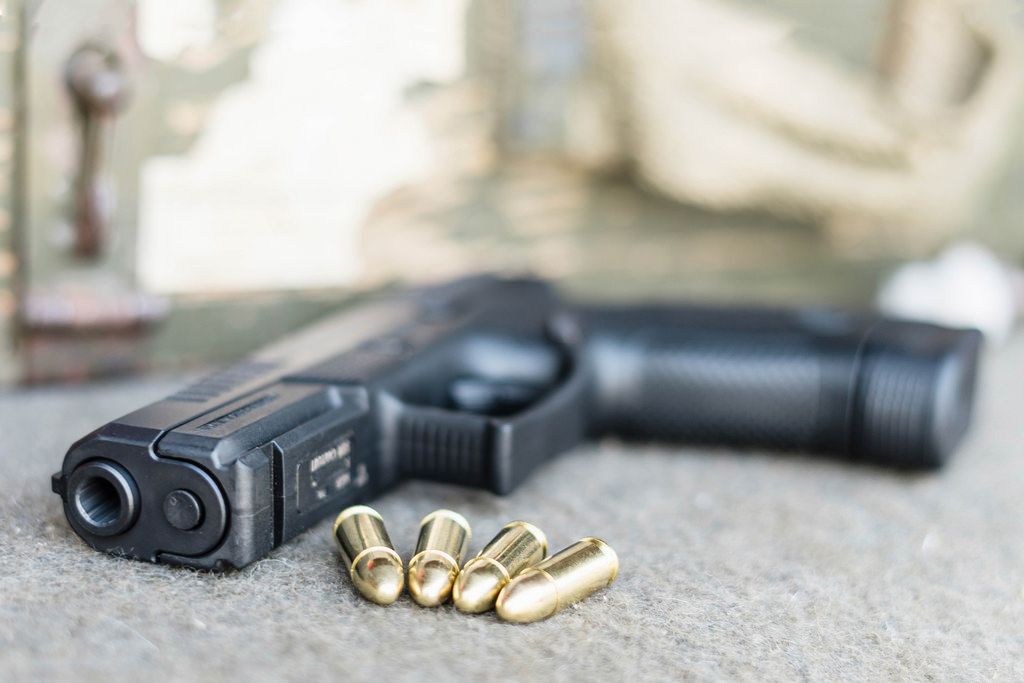
Reliable cheap rounds announce themselves through consistent, snappy primer strikes—if every casing shows a deep, uniform dimple, the lot is igniting properly. You’ll also notice tight, uniform crimps on the bullet and case mouth, with no loose bullets that shift under recoil. Examine the spent brass: clean, smooth extraction without torn rims or scorch marks signals correct pressure. Key Signs You’re Getting Reliable Cheap Rounds, Not Misfires include a repetitive report and point-of-impact that doesn’t wander between boxes. *A single dud in fifty is normal, but two in ten means bad powder or primers.* Cartridges that feel gritty or show corroded spots deserve suspicion, while a consistent, crisp bang every trigger pull proves the savings didn’t cost you function.
Check primer depth, crimp tightness, and brass integrity—repeatable ignition and zero extraction issues confirm your discount rounds are dependable, not duds.
How to Check Brass, Primers, and Seating for Consistency
When evaluating discount ammo, check brass, primers, and seating for consistency by first sorting a sample box by headstamp—mixed headstamps indicate poor QC, affecting neck tension and pressure. Measure case lengths with calipers; deviations beyond ±0.001 inch cause uneven chamber sealing. Inspect primer pockets for uniform depth and crimp; proud or recessed primers alter ignition timing. Run a finger across seated bullets—any tilt or wobble signals uneven seating depth, which skews ballistic uniformity. Finally, weigh a few loaded rounds; a spread over 3 grains suggests inconsistent powder charge, not just brass or primer variance. Reject any lot showing these faults.
Verify headstamp uniformity, 5.7x28mm Ammo for Sale primer pocket depth, and bullet runout—consistent brass, flush primers, and square seating guarantee performance parity, even in budget ammo.
The Role of New vs. Reloaded Rounds in Budget-Friendly Picks
When stretching your ammo budget, the choice between new factory loads and remanufactured rounds is critical. New ammunition offers unmatched consistency and reliable ignition, but you pay a premium. Reloaded rounds, or remanufactured ammo, are the real budget-friendly picks—often 30–40% cheaper. However, you must vet the remanufacturer closely; reputable outfits use fresh primers, proper powder charges, and brass that passes rigorous inspection. Avoid unknown reloads from backyard tinkerers, as a squib or case rupture destroys your savings. For practice volume, quality reloaded rounds deliver acceptable accuracy and function. For defensive or hunting ammunition, never compromise—always buy new. Ultimately, the savvy approach is mixing both: new specialty sports & supply for critical loads, reloaded for range time.
The cost-efficient shooter prioritizes vetted reloaded rounds for practice and reserves new ammunition for life-saving scenarios, maximizing performance per dollar spent.
Where to Find the Best Deals on Cheap Ammunition for Your Caliber
For cheap ammunition in your specific caliber, start by checking online bulk retailers like Target Sports USA or AmmoSeek, which aggregate live prices across dozens of vendors so you can spot the lowest per-round cost instantly. Sign up for email alerts on your exact cartridge, since many sites drop discount ammo prices during flash sales or when overstocked. Don’t overlook factory seconds or blems—they function fine but cost far less. Also, look for free shipping thresholds; a slightly higher per-box price beats a deal ruined by heavy freight fees. Finally, compare brass versus steel case; steel is often significantly cheaper and works fine for range practice in most calibers.
Comparing Online Retailers vs. Local Gun Stores for Steeper Price Cuts
When hunting for discount ammo price comparisons, online retailers usually win on sheer volume—they buy in bulk and pass those savings to you, especially if you stack coupon codes or free-shipping thresholds. Local gun stores, though, can surprise you with instant markdowns on overstocked calibers or floor models they want to clear out. To get the steepest cuts, check both before committing:
- Search Ammo Cans & Storage for Sale online sellers like TargetSportsUSA or Ammoseek for rebates and case-lot discounts.
- Call your local shop and ask if they price-match online listings or have weekend-only clearance bins.
- Factor in transfer fees for online orders—if your local store 7.62×39 Ammo for Sale charges $25, that erases the savings unless you buy bulk.
Also, don’t ignore local 7mm PRC Ammo for Sale stores’ used or reloaded ammo trays, which can drop prices another 15% without shipping wait times.

How to Use Price Tracking Tools and In-Stock Alerts Effectively
To score discount ammo before it vanishes, set up price tracking on sites like AmmoSeek or WikiArms—enter your exact caliber and trigger alerts for a target price, not just any drop. For in-stock notifications, prioritize retailers that email instantly, then check your phone within minutes because hot deals sell out fast. Use a dedicated folder for these emails so you never miss them. Finally, stack tools: if a tracker shows a low historical price, simultaneously enable a stock alert on that specific store, giving you double the chance to grab it when it lands.
Seasonal Sales and Clearance Events That Slash Prices Further
For the sharpest savings on discount ammo, time your purchases around seasonal sales and clearance events that slash prices further. Retailers dump overstock after hunting season ends—typically January through March—so rifle and shotgun rounds drop 20–40%. Similarly, July 4th and Black Friday bring deep cuts on high-volume pistol calibers like 9mm, often paired with free shipping. Clearance sections hide discontinued packaging or bulk lots, which can be 50% below standard pricing. Stack these events with email sign-up codes or store credit card perks to compound the discount. Set price alerts three weeks before major holidays; you’ll lock in the lowest per-round cost of the year.
Practical Tips for Stockpiling Budget-Friendly Rounds Safely and Smartly
When stockpiling discount ammo, buy in bulk only from reputable vendors to ensure consistent headstamps and lot numbers, as mixed batches harm accuracy and reliability. Store rounds in airtight, moisture-proof cans with desiccant packs, rotating your oldest stock to the range first to prevent corrosion or primer degradation. Focus on common calibers like 9mm or .223, where sales and rebates yield the deepest per-round savings, but cap your hoard at a realistic shooting budget—not just impulse deals—so you never store ammo you can’t afford to replace. Q: How do I verify discount ammo isn’t salvaged or reloaded? A: Check the box for factory markings, avoid visibly tarnished casings, and demand the seller’s lot number for traceability. Track your cost per round in a log, and never mix different brands in one magazine, since pressure variations can cause malfunctions. Always test a 50-round sample from each new purchase before stockpiling the rest.
How Much Ammo You Should Buy at Once to Hit the Best Price Tier
To hit the best price tier, you should identify the bulk breakpoint where per-round cost drops most sharply, typically at 500 or 1,000 rounds for common calibers like 9mm or .223. Buying 200-round boxes often lands you in a mid-tier discount, while 50-round packs rarely trigger volume pricing. Compare the per-round cost between 500, 1,000, and 2,000-round cases; the sweet spot is usually the smallest quantity that achieves the lowest tier—often 1,000 rounds—because beyond that, savings shrink to pennies per round while tying up more cash. If your budget allows, buying two 500-round boxes from the same batch may match the 1,000-round price, but a single case at the discount ammo threshold is safer for consistent pricing. Avoid splitting into smaller orders, as shipping fees erase tier gains.
Proper Storage Methods to Keep Discounted Rounds Fresh for Years
To keep discounted rounds shooting crisp for years, start by sealing them in airtight ammo cans with desiccant packs—humidity is the real enemy of cheap primers. Toss in a humidity indicator card so you know when silica needs recharging. Store those cans in a cool, dark closet or basement; steady temps between 55–70°F prevent corrosive condensation, while sunlight degrades powder over time. Proper storage methods for discount ammo longevity also mean rotating your stock—shoot the oldest rounds first, and label cans with purchase dates to avoid forgotten batches. Avoid garage floors or attics where 7.62x54R Ammo for Sale temperature swings accelerate primer breakdown.

Mixing Cheap Ammo with Premium Loads for Training vs. Defense
For budget-conscious shooters, mixing cheap ammo with premium loads is a smart division of labor, not a compromise. Reserve discount rounds exclusively for high-volume drills—draws, reloads, and static target work—where round count matters more than pinpoint consistency. Fire premium defensive ammunition only in low-round exercises that verify your gun’s reliability, confirm your point-of-aim, and build muscle memory with the exact recoil impulse you’ll carry. Do not rotate the two in the same magazine, as differing pressures and bullet profiles can shift impact points mid-string. Track which batches you train with, and keep a separate mag loaded only with premium loads. This saves cash without sacraficing the precision your life might depend on.
Common Questions About Saving Money on Ammunition, Answered
You’re at the range, watching brass pile up, and the math hits hard—so the first question is always whether **discount ammo** is actually safe to shoot. The answer is yes, if you buy from reputable bulk sellers who sell overruns or sealed surplus, not mystery reloads. Next, people ask how to spot the best per-round price; the trick is comparing cost per 50 or 100 rounds, not the box price, and watching for free shipping thresholds that turn an okay deal into a true steal. Another common worry is whether bargain rounds hurt accuracy—for plinking and drills, minor velocity variations rarely matter past 15 yards. .17 HMR Ammo for Sale Finally, don’t hoard blindly: buy what you’ll realistically shoot in three months, because **discount ammo** only saves money if you use it before prices drop further. That’s the practical path to stretching every dollar.
Why Does the Same Caliber Vary So Much in Price Between Brands?
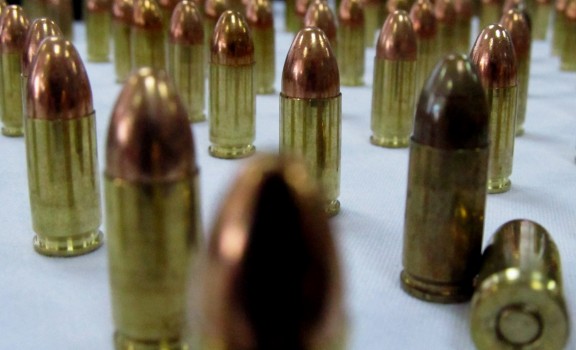
The same caliber varies so much between brands because you’re paying for quality control, materials, and load consistency, not just the bullet size. Cheaper discount ammo often uses softer brass, lighter powder charges, and faster production runs, which means more felt recoil and looser accuracy. On the flip side, premium brands invest in precise primer seating, nickel-plated cases, and matched projectiles to ensure every round performs identically. When saving money, ask yourself what you’re shooting for: plinking can handle budget rounds, but defensive or competition loads need that reliability. Bulk pricing also shifts the equation—factory seconds or overruns reduce cost without always sacrificing function. Compare the actual specs, not just the sticker.
- Check if the round is new, remanufactured, or surplus.
- Compare bullet weight and velocity ratings, not just the caliber.
- Test a small box before buying in bulk to see if it fits your gun’s feeding cycle.
Can You Return or Exchange Defective Budget Rounds?
Dealing with a dud from a discount ammo box can feel frustrating, but your rights depend entirely on the seller’s policy. Unlike premium brands, many budget ammunition 5.56 Ammo for Sale manufacturers do not offer a direct warranty, so you must contact the retailer—not the factory—within 30 days. **Returning defective budget rounds** typically requires you to keep the original packaging, lot number, and remaining cartridges for inspection. Some online dealers will issue a store credit or replacement, but they rarely cover shipping costs for the return. Misfires or squibs are more common in bargain lots, so document the failure with a photo before sending the box back.
Can you return or exchange defective budget rounds? Yes, but only if you purchased from a vendor with a satisfaction guarantee; most require the full box for analysis, and you’ll cover return postage. If you bought from a gun show or private seller, you’re likely out of .17 WSM Ammo for Sale luck—no receipt equals no exchange.
How to Calculate True Savings per Box After Shipping and Taxes
To calculate true savings per box after shipping and taxes, start by adding the product subtotal, shipping fee, and any applicable sales tax, then divide that total by the number of boxes in your order. Compare this final per-box cost against your local brick-and-mortar store’s shelf price, including its own tax. For example, if 10 boxes cost $200, shipping is $15, and tax is $17, your true cost is $23.20 per box—not the $20 advertised price. Only if this figure is lower than the store’s out-the-door price do you have real savings. True savings per box after shipping and taxes must always account for minimum-order thresholds that waive shipping, as missing these can erase any discount.
Always divide (subtotal + shipping + tax) by total boxes, then subtract that result from your local store’s tax-inclusive price to find your actual per-box savings.